
Nonwoven materials
From earliest times, woven fabrics formed the bulk of filter media. Beginning in the 1940s, with the production of a suitably bonded felt, nonwoven materials started to be used…

From earliest times, woven fabrics formed the bulk of filter media. Beginning in the 1940s, with the production of a suitably bonded felt, nonwoven materials started to be used…

Monofilament fabrics are woven from extruded synthetic filaments produced in diameters from 30 um to 2–3 mm.These fabrics have become important as filter media in a broad range of industries and…

Fabrics can be woven from yarns of many sorts. It is usually the case that warp yarns (those running lengthways on the loom) are the stronger, while the weft yarns (those…
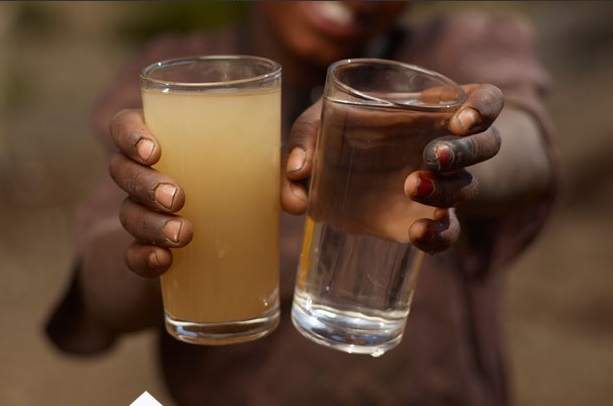
Fabrics make up the largest component of filter media materials. They are made from fibres or filaments of natural or synthetic materials, and are characterized by being relatively soft or…

Filter sheets are made in the same way as paper, i.e. by wet laying, but they are both thicker than paper and rougher in texture. They have traditionally been used…

Paper is made by the wet laying of a mass of cellulose fibres onto a woven wire band, which is effectively a filter through which the water drains and the…
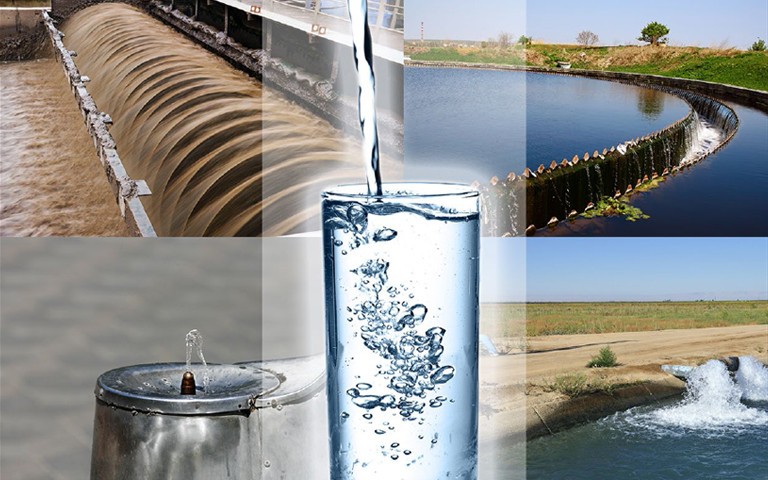
The previous part of this Section covered processes that dealt with filtration in a minor way, but which were not primarily intended for the separation of particles from fluids. The…
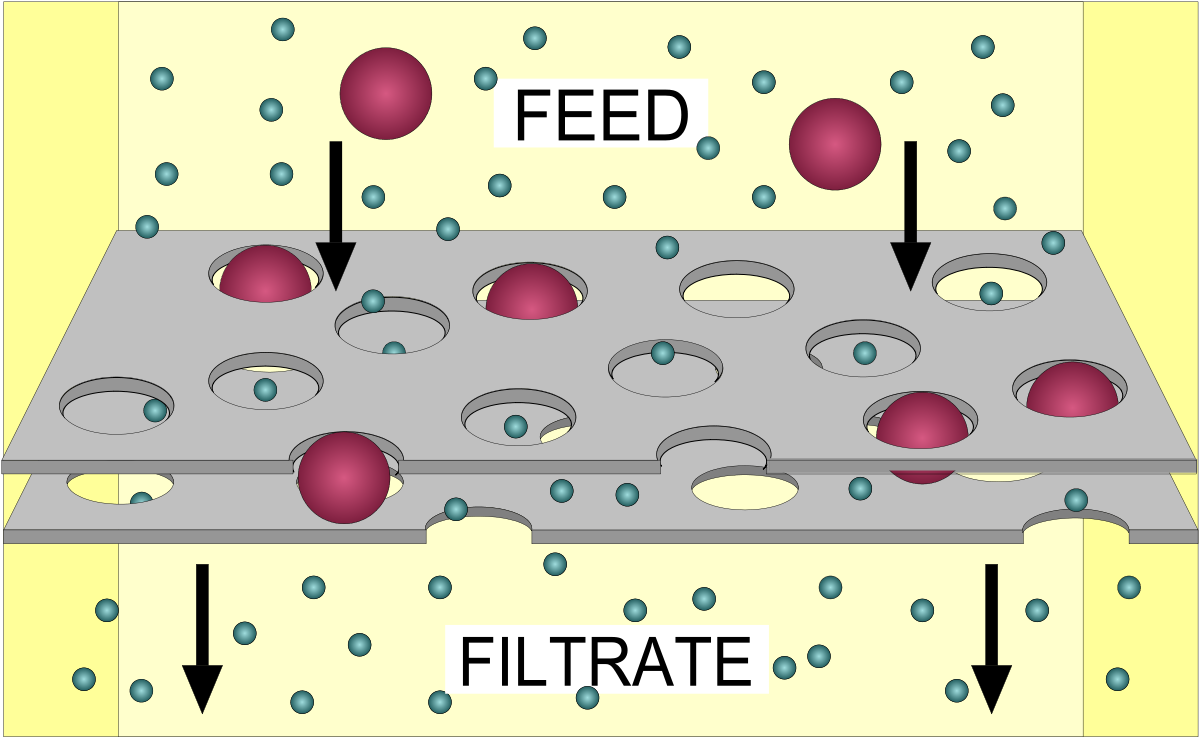
First to be considered in this review of filter media are three types of material whose prime function is not the separation of solid particles from fluids, but in whose…

The industrial context within which filter media are made and supplied to their endusers is of more than passing interest. The great variety in which media are made leads to…

A filter medium is any material that, under the operating conditions of the fi lter, is permeable to one or more components of a mixture, solution or suspension, and is…