
Temporary strainers
Temporary strainers are intended for short periods of application, such as being fitted during the run-in period of a new system, or when restarting a pipeline system after shut-down and…

Temporary strainers are intended for short periods of application, such as being fitted during the run-in period of a new system, or when restarting a pipeline system after shut-down and…

For a Handbook devoted to the removal of suspended contaminants, there is no better way to start than with the strainer, whose function is entirely that of protecting downstream items…

This first main section of the Handbook, which deals with fi ltration equipment, consists of a number of areas, each devoted to a type of fi lter. In accordance with…

Quite closely related to deep-bed filtration in principle is precoat filtration, which uses a bed of inert solids formed on the upstream surface of a relatively coarse filter medium to…
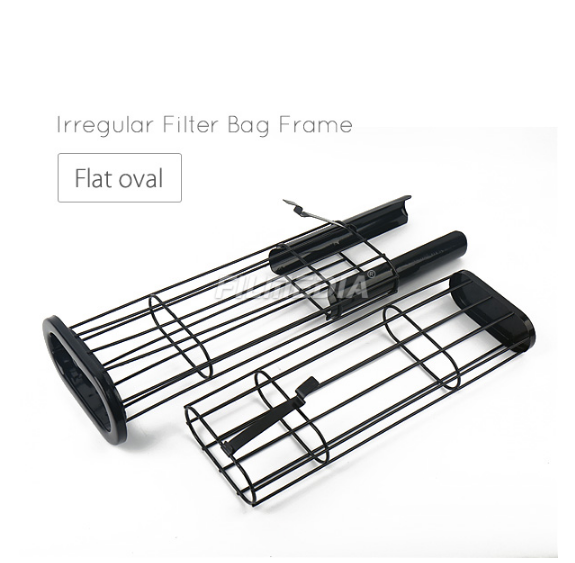
The media used in deep-bed filters must be inert, resistant to fracture yet easily prepared in batches of graded particle size. Many different granular and crushed materials have been used…

The forms of filter media discussed in the previous parts in this section have all been constrained as pieces of material or structures. The remaining group of media materials, of…

Membrane separations began in the 1960s as an alternative means to distillation for the desalination of salt (i.e. sea) and brackish waters. This was called reverse osmosis because it works…
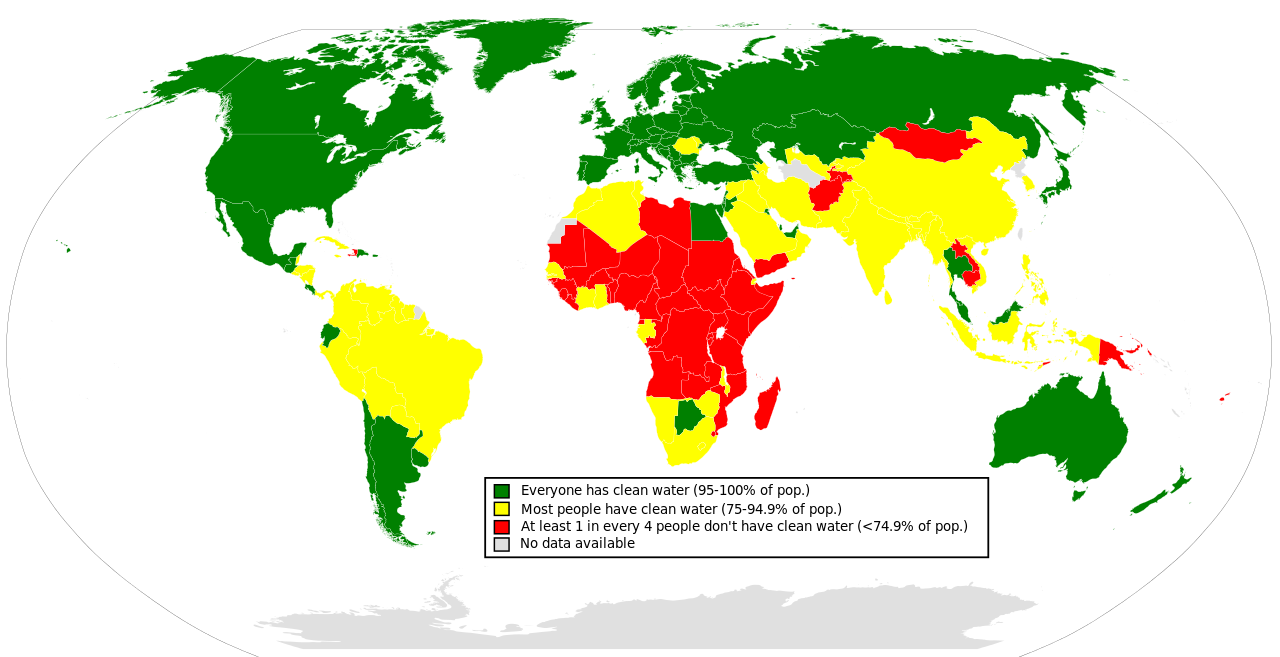
Membranes are made in a variety of ways, according to how they are to be used, with basic formats as flat sheets, tubes of very different diameters and solid blocks,…

As the term is applied nowadays, membranes can be porous or non-porous, polymeric or inorganic. They can be used for a range of separations including solids from liquids, liquids from…

In terms of filtration and separation technology, membranes have become one of the most important components. It is almost impossible to separate membrane media from the processes and equipment in…